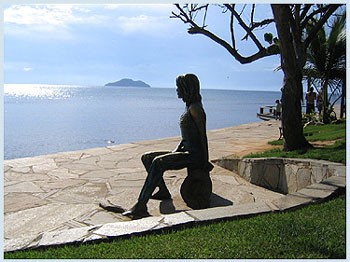
The Praia do Forte is located in Cabo Frio, in the Brazilian state of Rio de Janeiro.
Constitutes the city's main beach, 7.5 kilometers long. Therein lies the Fort of St. Matthew's Cabo Frio, built in the seventeenth century.
The Praia do Forte is located in Cabo Frio, in the Brazilian state of Rio de Janeiro.Constitutes the city's main beach, 7.5 kilometers long. Therein lies the Fort of St. Matthew's Cabo Frio, built in the seventeenth century.


 Cabo Frio is a municipality in the state of Rio de Janeiro. Abuts the east Armação dos Búzios, Arraial do Cabo south Araruama and St. Peter's Village in the west, and Casimiro de Abreu and Silva Jardim north. It is the seventh oldest municipality of the Brazilian Federation. It is the main town in the Lakes Region. It has 186,222 inhabitants, according to census conducted by IBGE in 2010. It is well known for its tourist attractions, like Praia do Forte, the main beach and at parties.

 The square was restored and reopened in 1992, when he was surrounded by railings, aiming at its preservation.

 The Monastery of São Bento do Rio de Janeiro was founded by Benedictine monks from Bahia in 1590. The monastery still functions as such, existing beside one of the most important educational establishments and the traditional Rio de Janeiro: the College of St. Benedict, founded in 1858, which formed a considerable amount of Brazilian celebrities, such as Pixies, Benjamin Constant, Noel Rosa, Antonio Silva Jardim, Villa-Lobos, and others.

 Arcos da Lapa, located in the Lapa district in the city of Rio de Janeiro, Brazil.

 The Vasco da Gama Stadium, better known as San Gennaro, due to its location being part of the street of the same name, is the football stadium owned by the Club de Regatas Vasco da Gama. It was inaugurated on April 21, 1927, with a match between Vasco and Santos, won by the visitors. Its facade is listed by the National Historical and Artistic Heritage.

 Blue Grotto
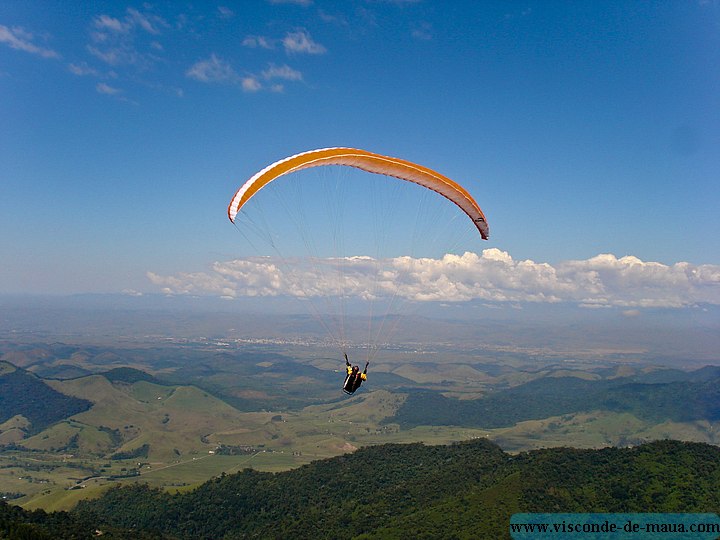
 The postcard of the neighborhood is the Sugar Loaf, the largest block of stone by the sea on the planet and is the main point of practical flight-free in the city. The ramp next to Pedra Bonita practitioners leap from gliding and paragliding and land on the final stretch bordering the neighborhood, known as Pepino beach.


 Surf
Surf

 Piscinão Palm Beach Environmental Park or Palm


Samba Schools
In late 1920, Brazil sought to create an identity that differentiate it within the new world order established after the First World War. The carnival party and the new base rate of newly emerged black, samba, would become the basis for formulating a sense of Brazilianness. The appreciation of the samba and the blackness eventually increasing the interest of intellectuals in the new "samba groups" which appeared in the hills of Rio. These groups would be present "in the asphalt, "ie, away from the ghettos of the hills, called samba schools.


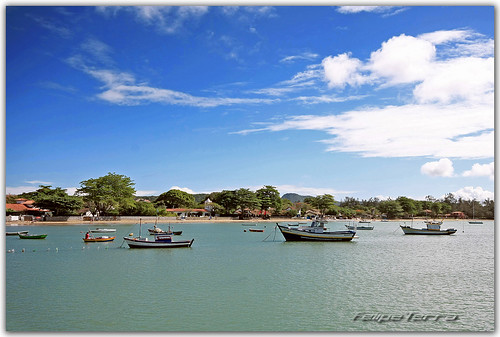
Frame Búzios or just, as is generally known, is a municipality in the state of Rio de Janeiro located in the Lakes Region. It is located about 165 km from state capital.
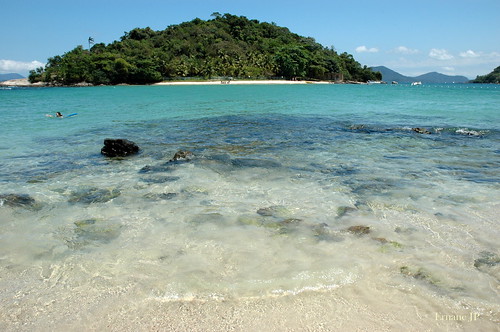
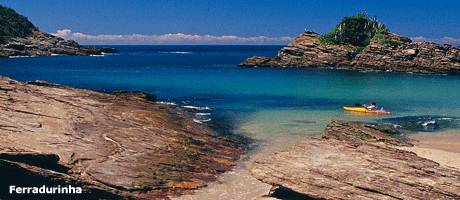
It is a peninsula with eight miles long and 23 beaches, getting from one side of Ecuador ocean currents and other ocean currents from the south pole, which means it has both beaches with warm water and cold water. Among the main beaches are highlighted Geribá, John Fernandes, Horseshoe, Ferradurinha, Frame, Manguinhos, Turtle, Bones, Tucuns, Brava and Ox-Eye, the latter reserved for the practice of nudism.
The tourist and the local real estate occupation started after the international fame due to Buzios by French actress Brigitte Bardot, who visited in 1964. Today the city is so visited by tourists around the world and is known for 'the Brazilian Saint-Tropez'.
Armação, with its strong winds, is ideal for the practice of sailing, and gliding. It is a city that houses different cultures with a large number of foreigners.